
Plant Care · Eyesme AI agentPlant care by facts, not folklore.
Plant ID with candidates you confirm, care values from species cards, and diagnoses you can verify. Safety always comes first.
Plant ID with candidates you confirm, care values from species cards, and diagnoses you can verify. Safety always comes first.
What Plant Care hands back
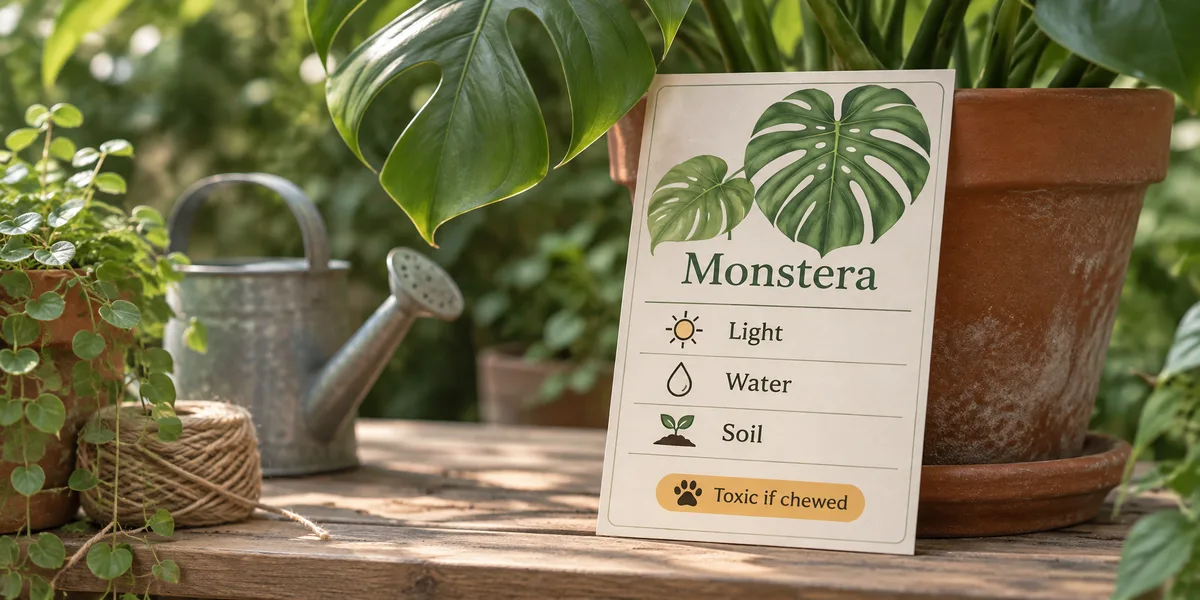
Light, water, soil, toxicity flagged.
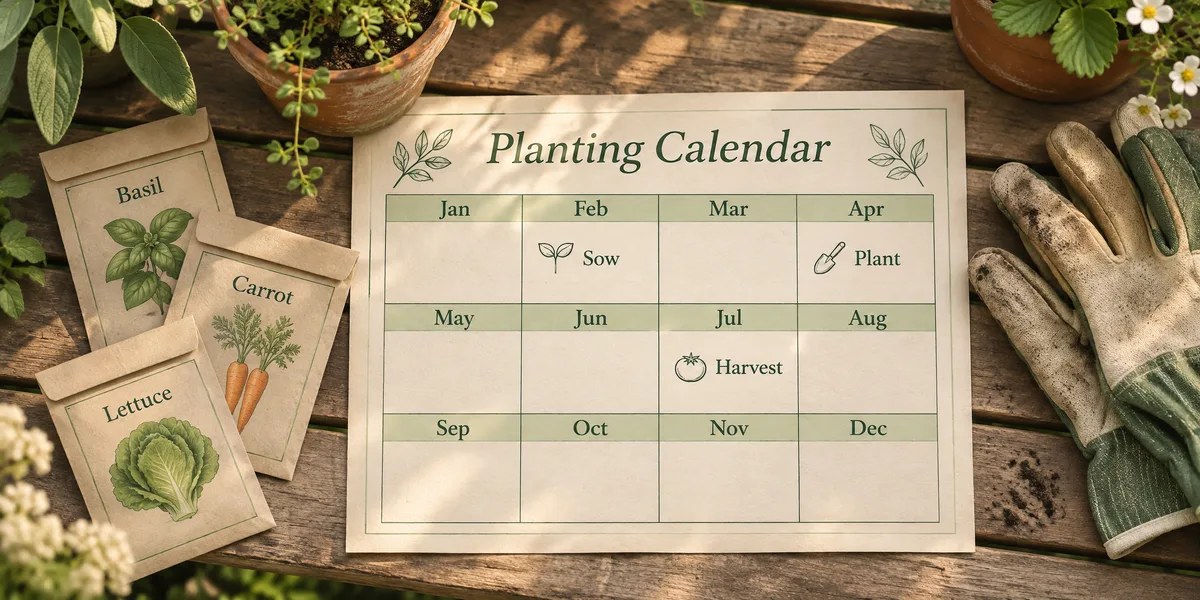
Sow, move, feed, built for your climate.
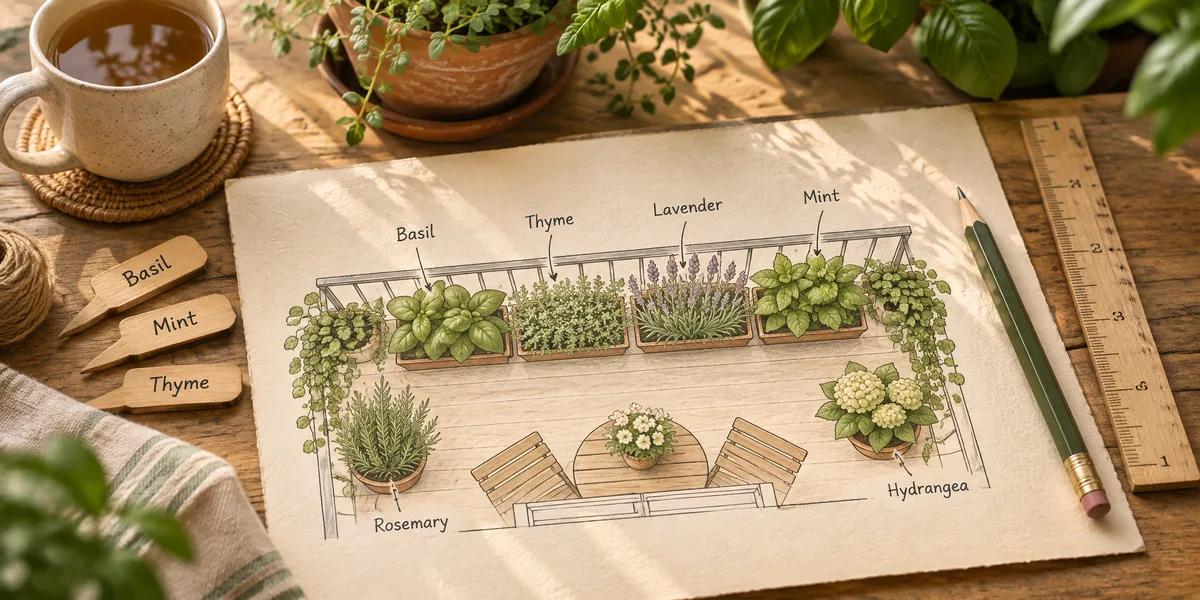
Planter boxes mapped before you buy.
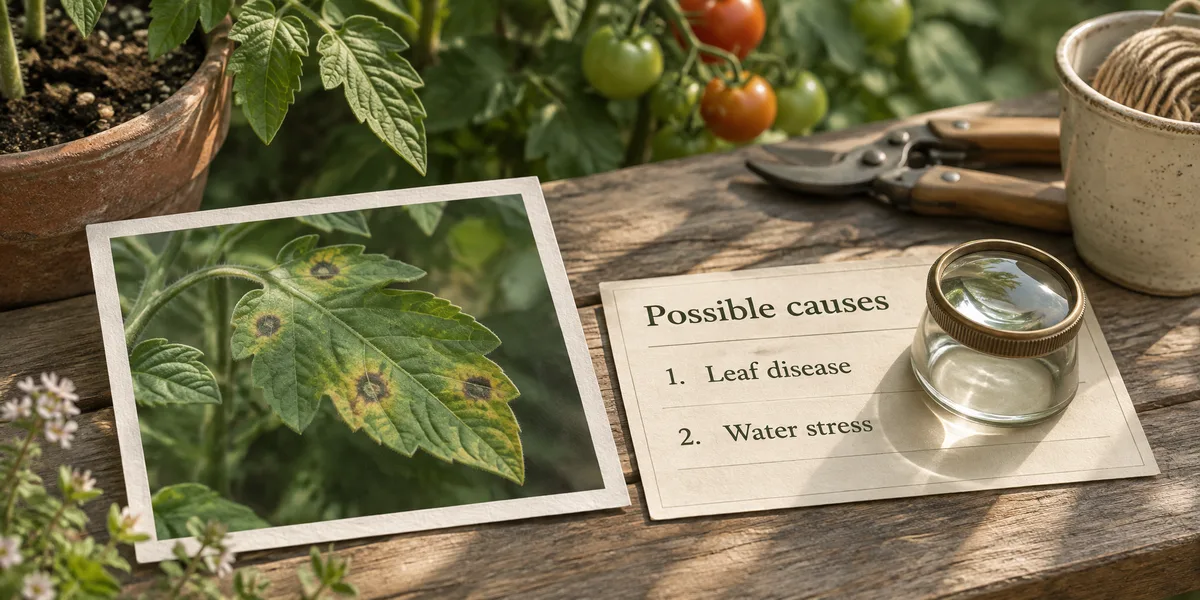
Candidates with a way to verify each.
Plant Care is Eyesme's AI plant identifier and gardening advisor for houseplants, balcony vegetables, garden fruit, herbs, microgreens and hydroponics. Safety comes before everything: suspected pesticide misuse or a swallowed toxic plant gets first-aid steps in the first sentence. Everything else, from identifying a plant and its care needs to leaf spots, seasonal planting and care records, gets a clear conclusion, the facts behind it and one concrete next step.
Diagnoses come as the most likely candidates, each with a way to verify it. Its 92 species cards and 17 field guides are the starting point, adjusted to your balcony, your climate and who shares your home.
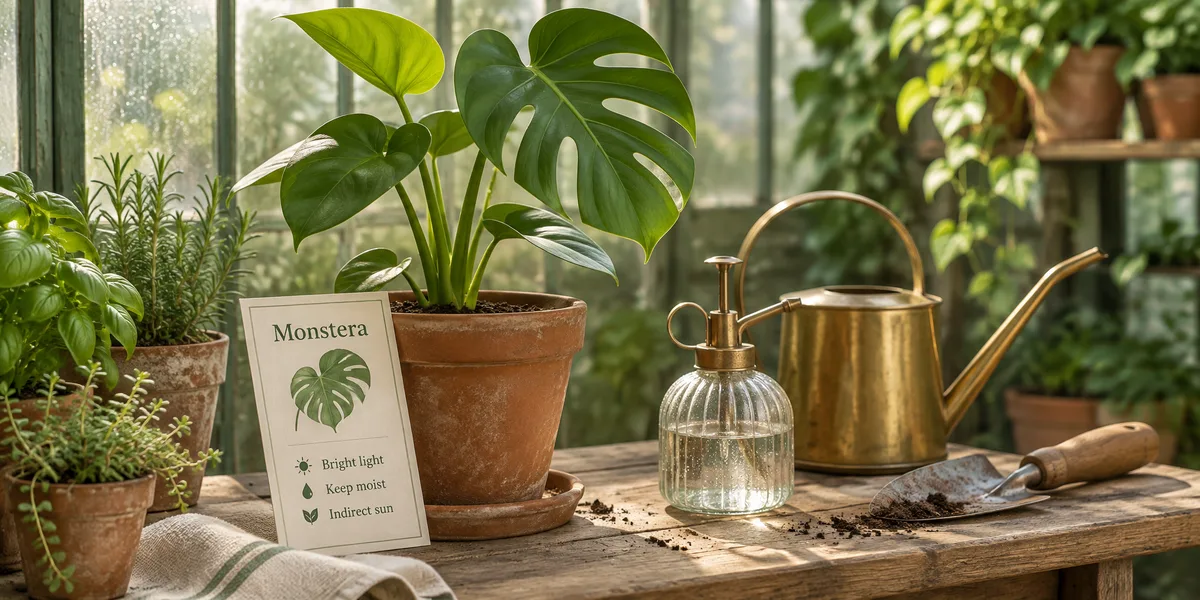
Identify, look up, diagnose, plan and record, with safety checks ahead of everything else.
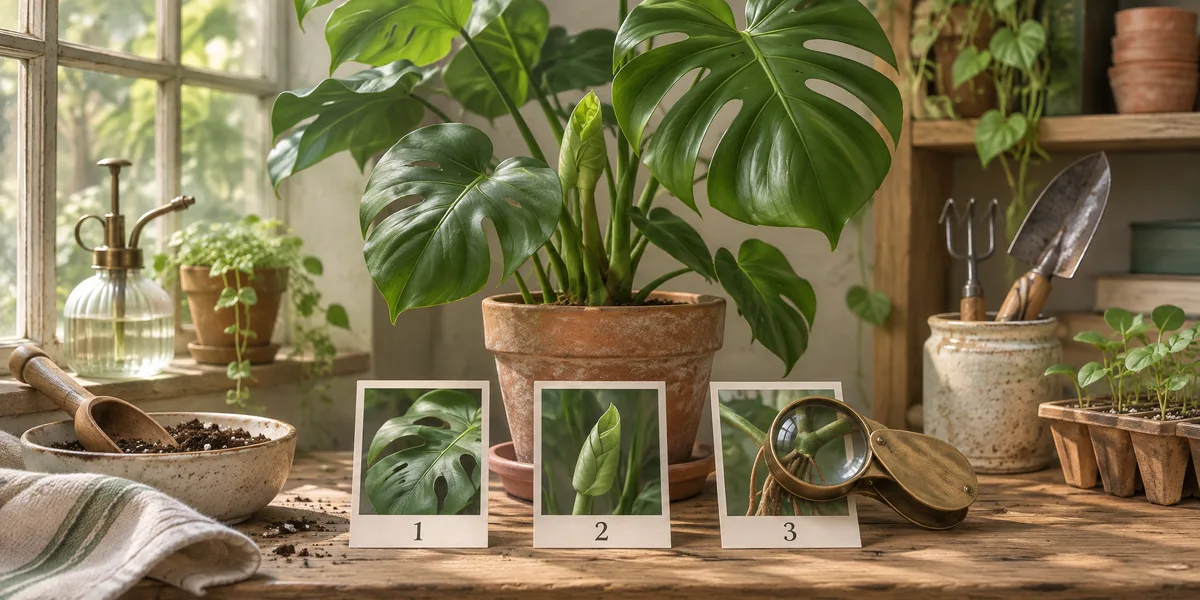
Send a photo and get up to three ranked matches, each with its reasons. Lookalike varieties that need different care are never merged into one answer.
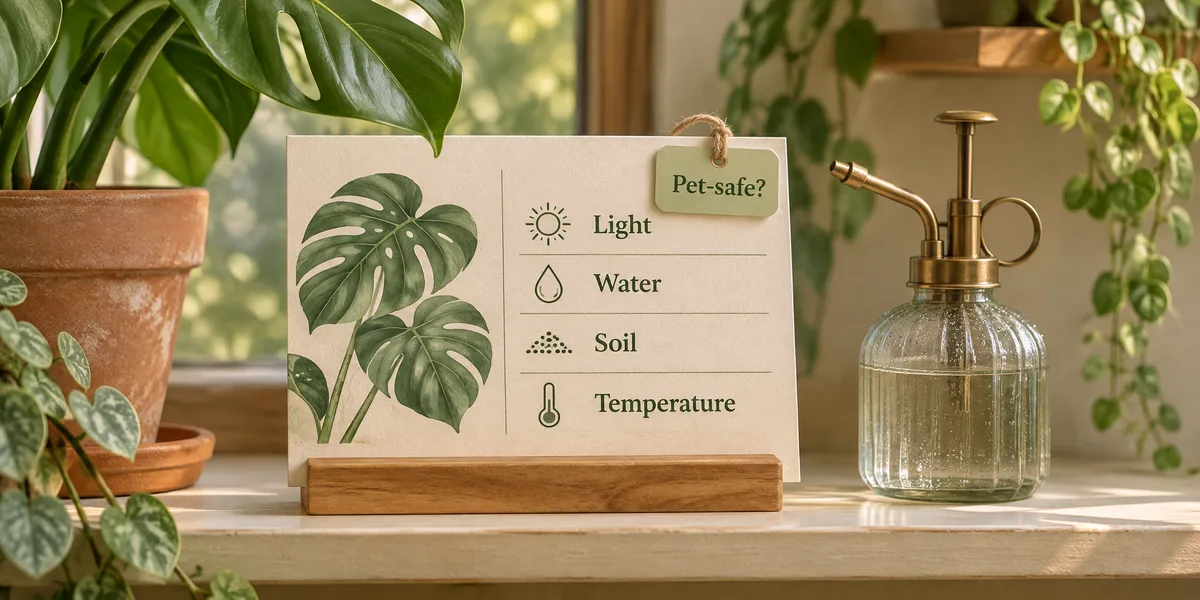
Light, water, soil, temperature, feeding and toxicity on one card, adjusted to your window and climate instead of recited.
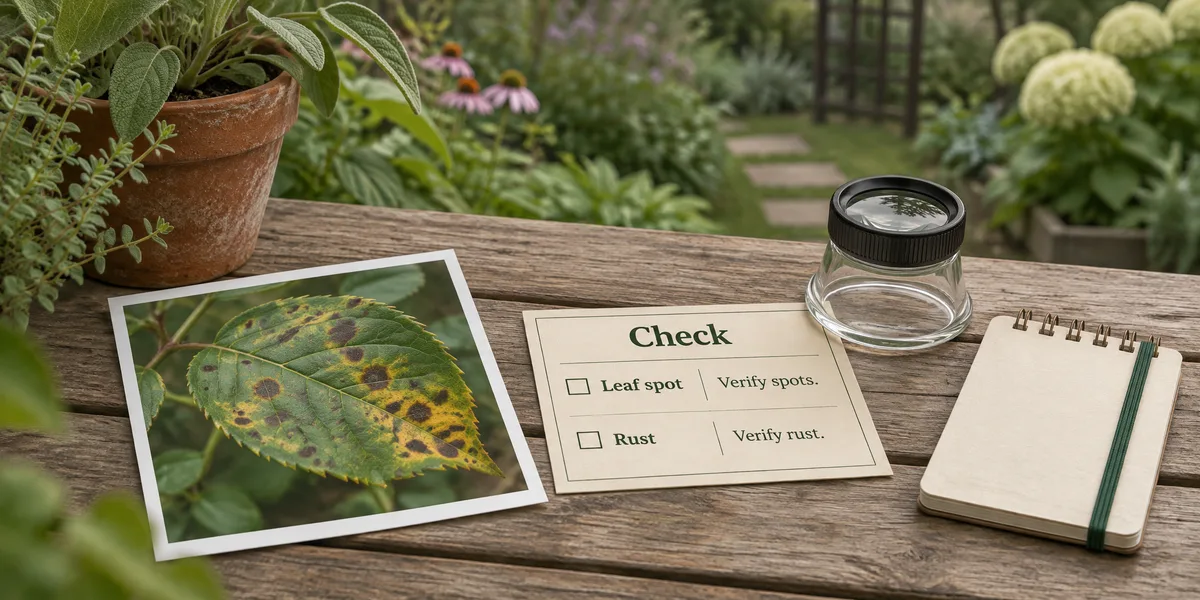
Likely causes in order of probability, each with a concrete way to check. Anything involving safety jumps the queue, first aid first.
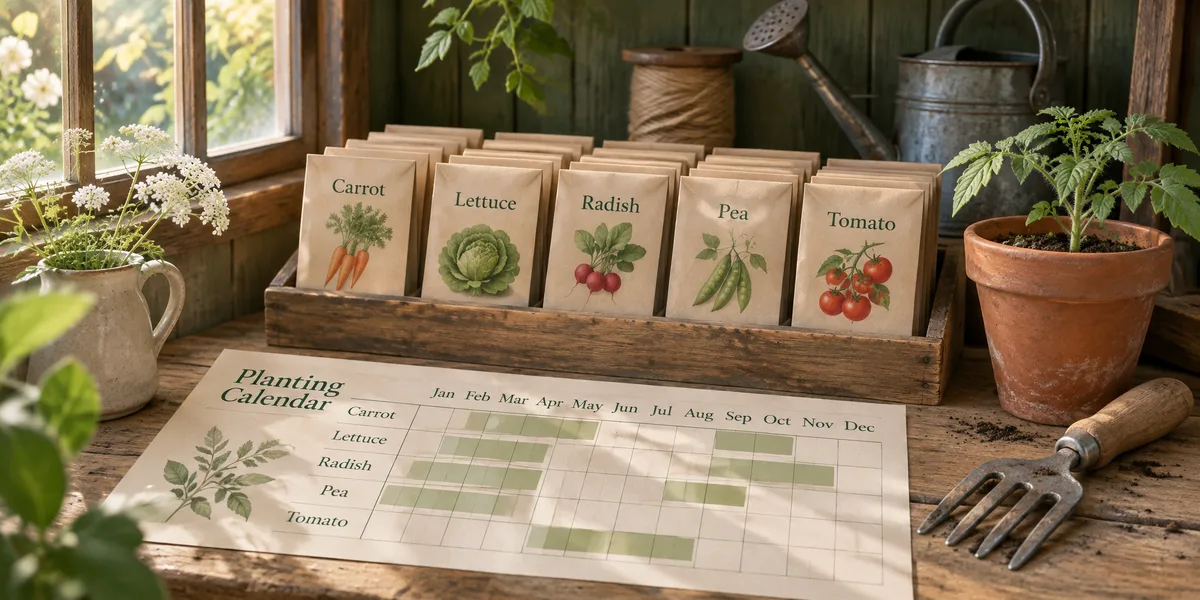
A calendar built from your climate and orientation: sowing windows, transplant dates and feeding rounds, with the whole year on one page.
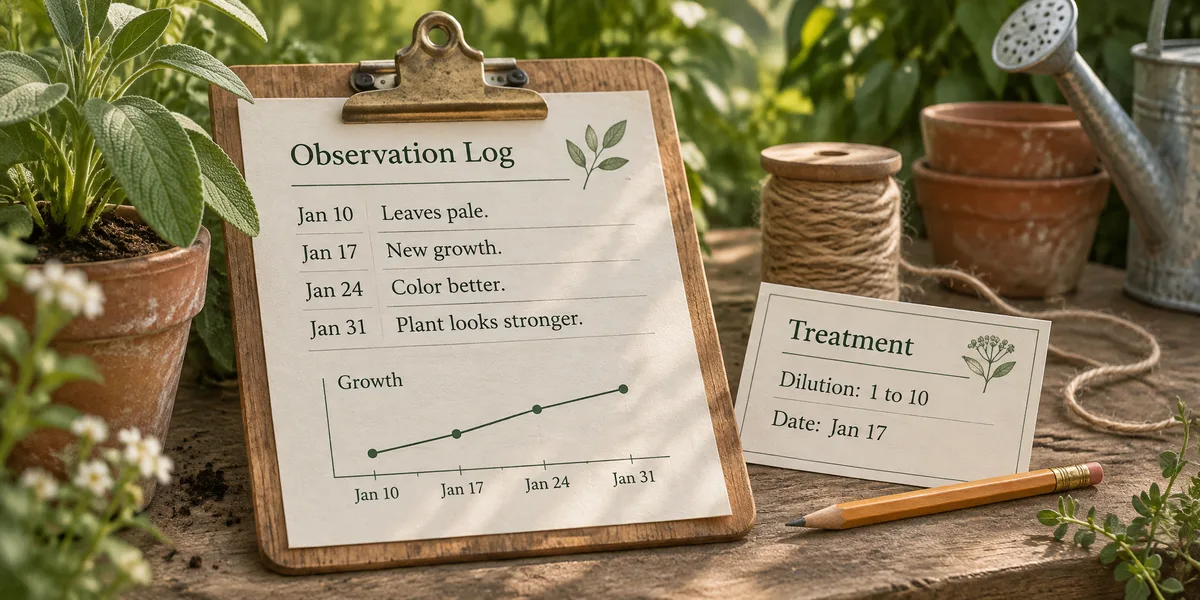
Observations are added by date, and treatments are logged with dilution and pre-harvest intervals, so "can I harvest yet?" becomes a quick lookup.
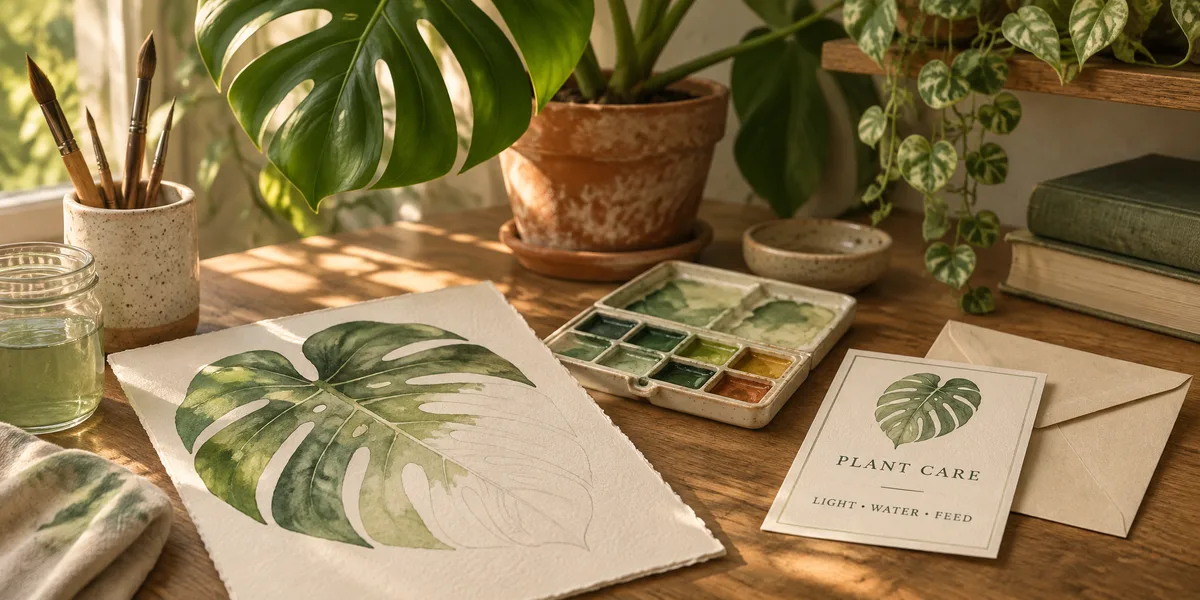
Watercolor plant portraits, printable care cards and balcony or bed layouts, generated in the chat or redrawn from your photos.
Plant Care adds its own card deck and methods on top of the base agent, so the rest of the job stays in the same conversation.
Confirm the plant, check the card, rank the causes, and the schedule lands in the side panel.
A photo to identify, a symptom to diagnose, or just say what you're planning; mention who shares your home (kids, cats) and where it grows.
Anything that looks like pesticide exposure or a swallowed toxic plant is handled before the gardening question; first aid first.
The species card gives the standard values; your light, climate and container adjust them. Anything outside the deck is searched with sources named.
How much water, which window, what to check in three days, plus a care schedule, planting calendar or layout sketch as PDF or Word when you want one.
This is my monstera; the leaves have brown spots. What's wrong, and what should I change?
Two candidates: overwatering or bacterial leaf spot. The panel shows how to tell them apart this week. Your adjusted care schedule is there too; sap can irritate cats, so keep it off the floor.
Example requests by situation, and what comes back.
“A friend gave me this plant; what is it and how do I keep it alive?”
“How often should I actually water my monstera here?”
“Brown spots on the tomato leaves; what is this?”
“My pothos is mushy at the base. Can it be saved?”
“A friend gave me this plant; what is it and how do I keep it alive?”
“How often should I actually water my monstera here?”
“Brown spots on the tomato leaves; what is this?”
“My pothos is mushy at the base. Can it be saved?”
“South-facing balcony, what can I sow this month?”
“We have a cat and someone gave us an alocasia. Keep it?”
“How much of this spray per liter, and when can I harvest?”
“Sketch my balcony planters before I buy anything.”
“South-facing balcony, what can I sow this month?”
“We have a cat and someone gave us an alocasia. Keep it?”
“How much of this spray per liter, and when can I harvest?”
“Sketch my balcony planters before I buy anything.”
| Manual approach | Plant Care | |
|---|---|---|
| "What is this plant?" | One confident guess from an app, sometimes wrong | Up to three likely matches with reasons; care advice starts after you confirm |
| Spotted leaves | One guess and a random spray | Ranked causes, each with a way to verify, with safety handled first |
| Mixing a pesticide | "A bit stronger usually works" | The label is the only authority: dilution and pre-harvest interval quoted exactly |
| What to plant this month | A generic zone chart from a random blog | A month-by-month plan built from your climate, orientation and containers |
| Keeping records | Photos lost in the camera roll | Dated observations and treatment logs, so harvest timing is easy to check |
Plant Care is Eyesme's AI plant identifier and gardening advisor for houseplants, balcony edibles, garden fruit, herbs, microgreens and hydroponics. It identifies plants with ranked candidates, looks up species care cards, diagnoses problems with ranked causes, plans the season, keeps care and treatment records, and draws care cards, layout sketches and illustrations.
You can start for free: a daily free allowance covers everyday questions. Reading large attachments, generating documents and illustrations, and web search are subscriber features, billed in credits by actual usage.
It gives the most likely 1–3 candidates with the reasoning and asks you to confirm; it never presents a single guess as fact. Its local card deck covers 92 common species; anything else is searched with care-sheet sources named.
The product label is the only authority: dilution rates and pre-harvest intervals are quoted word for word, and requests to go beyond the label are refused; that is crop damage and a violation. If someone may have swallowed a pesticide or a toxic plant, the first sentence is first aid: bring the packaging and get medical help or call poison control, and do not induce vomiting.
Yes, proactively. Toxicity entries from the species card are always passed through, and plants like alocasia and pothos get a child-and-pet exposure warning without you asking. Pet dose questions go to a vet; human health questions go to a doctor.
Planting calendars, care schedules and treatment logs download as typeset PDF or Word; summaries export as .pptx slides; care cards, layout sketches and illustrations are generated in the chat.
General Assistant is a generalist. Plant Care adds the 92-species card deck, the candidates-first diagnosis method, seasonal planning built from your environment and a records workflow, plus hard lines: no medical advice, no off-label pesticide mixing, no invented care values.
Expertise includes dedicated knowledge bases for hydroponic systems, nutrient solution EC/pH, and grow-light selection; succulents, cacti, and air plants are covered in variety cards. For out-of-scope areas such as floristry, landscape design, and large-scale agricultural cash crops, limitations will be stated honestly.
Eyesme AI agents
 Life
Relationship advice for a crush, a cold spell or a breakup: what's proven, what's a guess, what's unknown, and one thing you can do right now.
 Life
Check ingredients against regulatory lists, get skincare routines with citations, and makeup guidance for your features. Evidence first, never a diagnosis.
 Life
Symptom triage with red flags first, feeding amounts calculated from your food's label, neutral food comparisons, plus records and a sheet for the vet.

Start free with daily credits; subscribe to unlock documents, illustrations and web search.
Start with Plant Care