
Pet Insight · Eyesme AI agentCat and dog health: know when to worry, and when to go.
Red-flag triage first, feeding grams you can check, food facts without the sales pitch, and records your vet can use.
Red-flag triage first, feeding grams you can check, food facts without the sales pitch, and records your vet can use.
What Pet Insight hands back
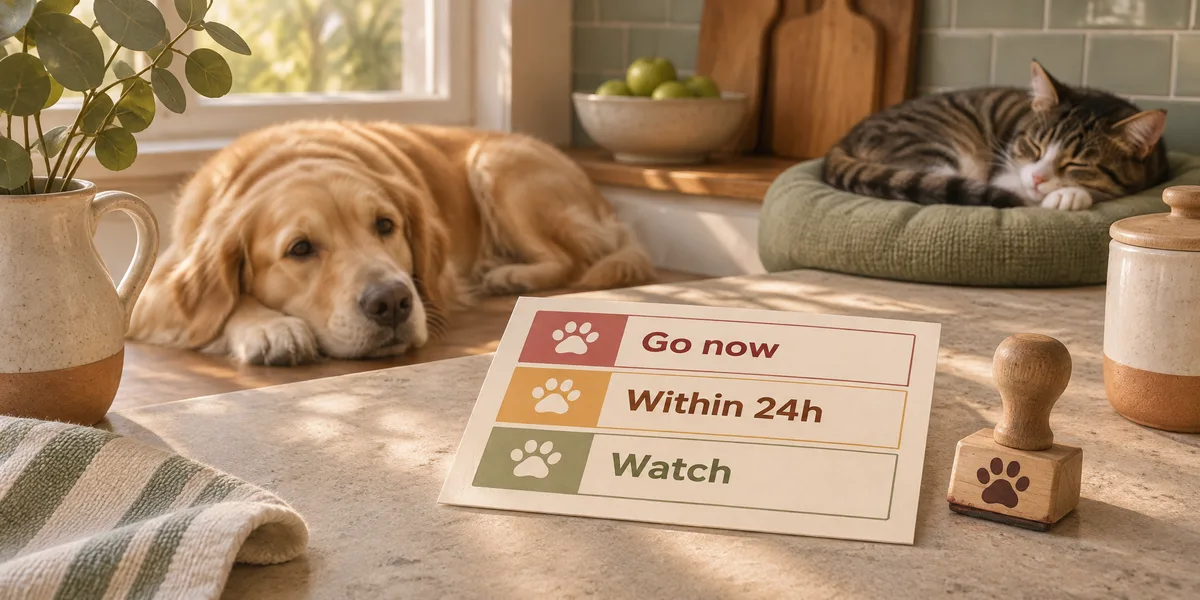
Three tiers, stated in the first line.
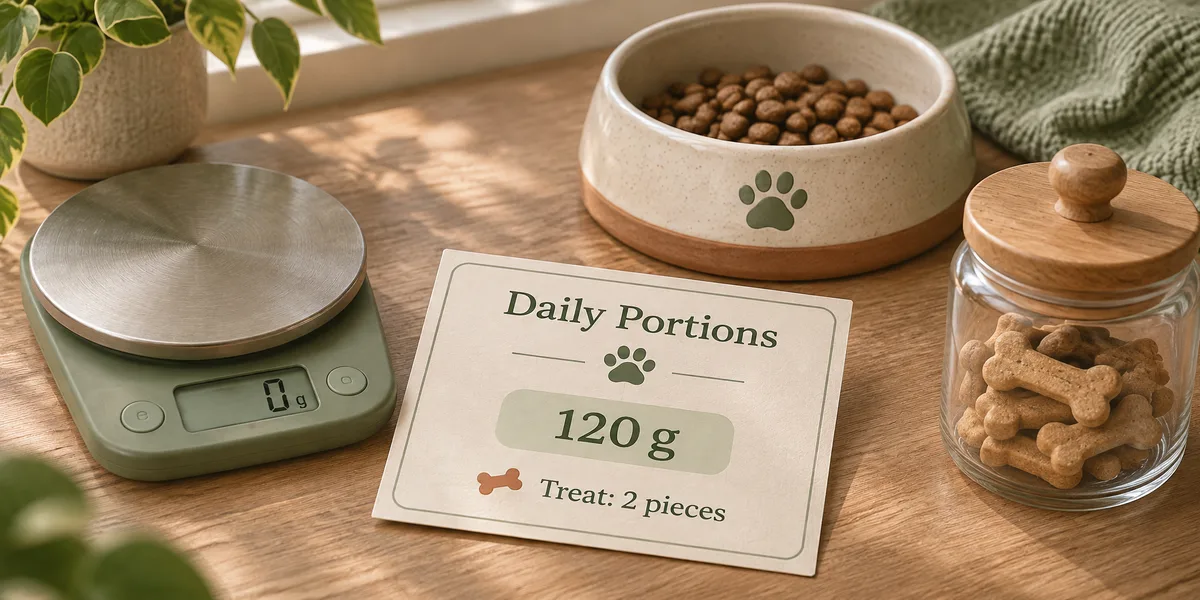
RER/DER math with the treat limit.
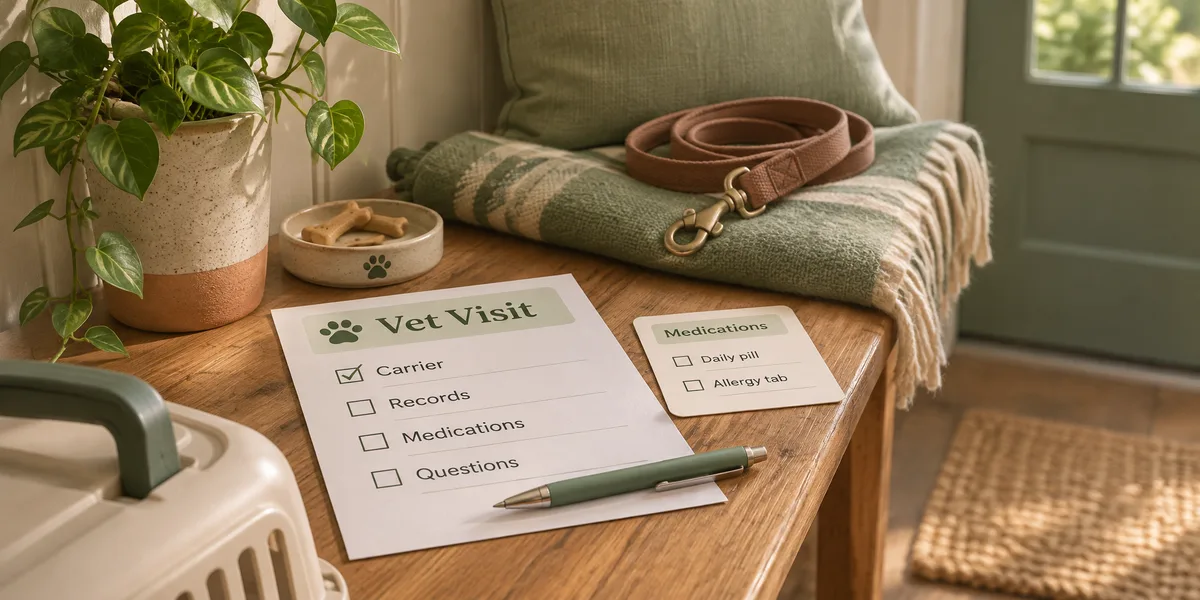
What changed, what to bring, what to ask.

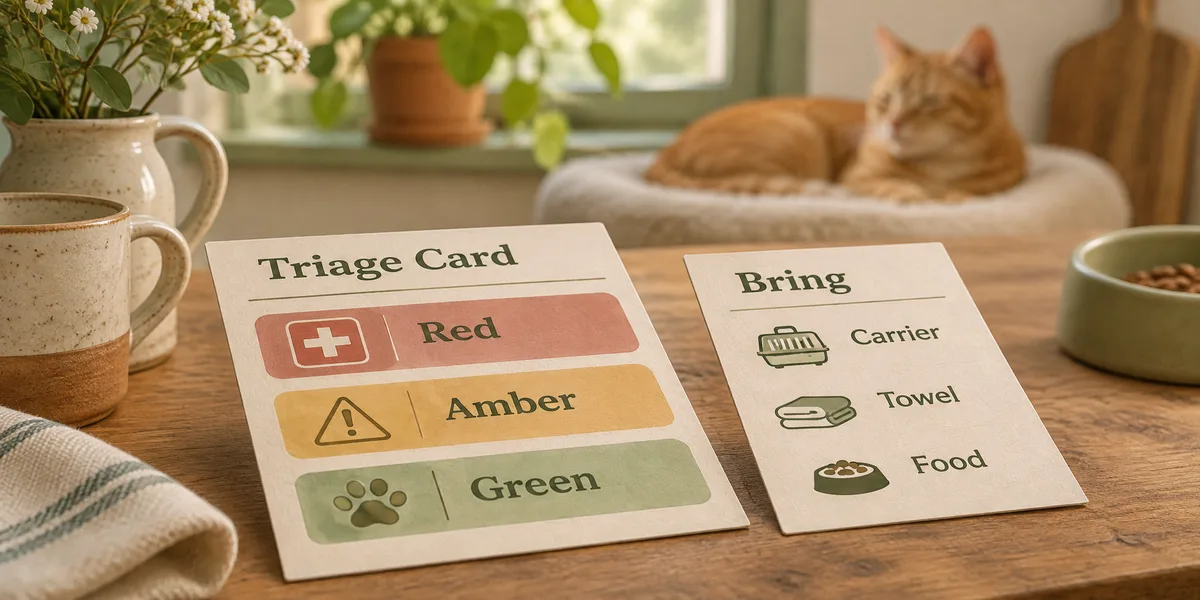
Watercolor cards from your photos.
Pet Insight is Eyesme's AI pet health assistant for cats and dogs. Red-flag signs always come first: if something looks like an emergency, the first sentence tells you to go to the vet. Everything else, from how much to feed and which food fits to scratching, litter accidents and lab results, gets a clear conclusion, the facts behind it and one safe next step. It reads the food labels and lab reports you upload, value by value.
It does not diagnose, prescribe or calculate toxic doses, and that line never moves. Owners who need a vet go right away with the right information, and those who don't know exactly what to watch and when to escalate. Exotic pets are outside its scope, and it says so.

Triage, feeding, food, behavior and records. Every answer starts with the conclusion and ends with one safe step.
"Watch at home", "see a vet within 24 hours" or "go now", stated in the first line, with the facts behind it and a watch list of changes that mean escalate. In an emergency, the instruction to go comes first.
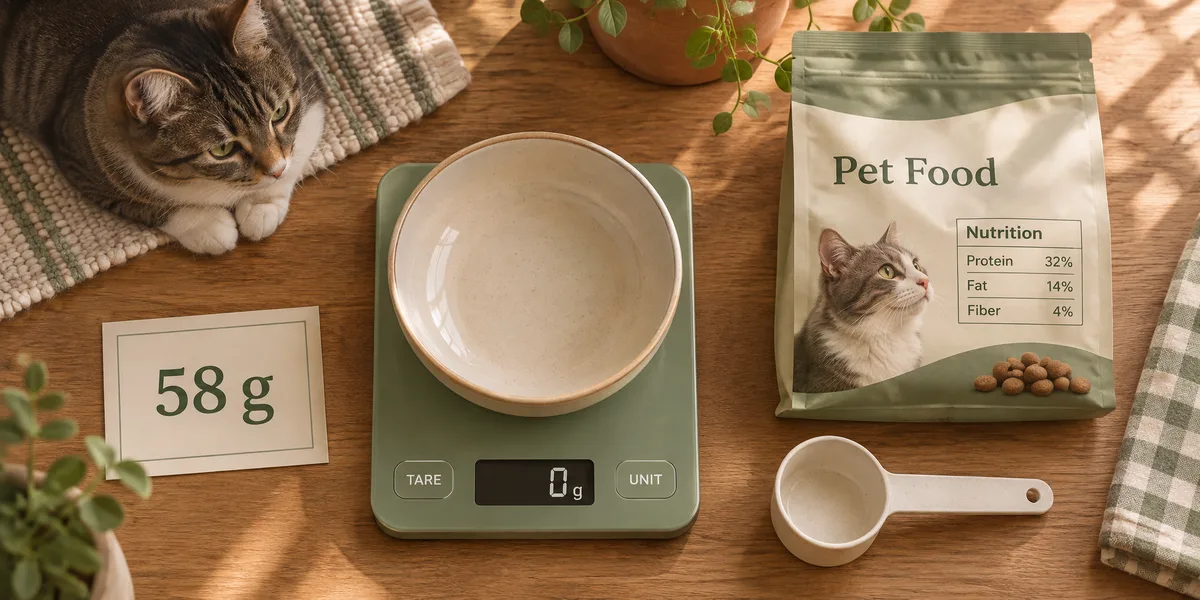
Weight, life stage, activity and your food's protein and fat go in; daily grams and a 10% treat limit come out, with the RER/DER math shown so your vet can check it. Missing label values are asked for, never guessed.
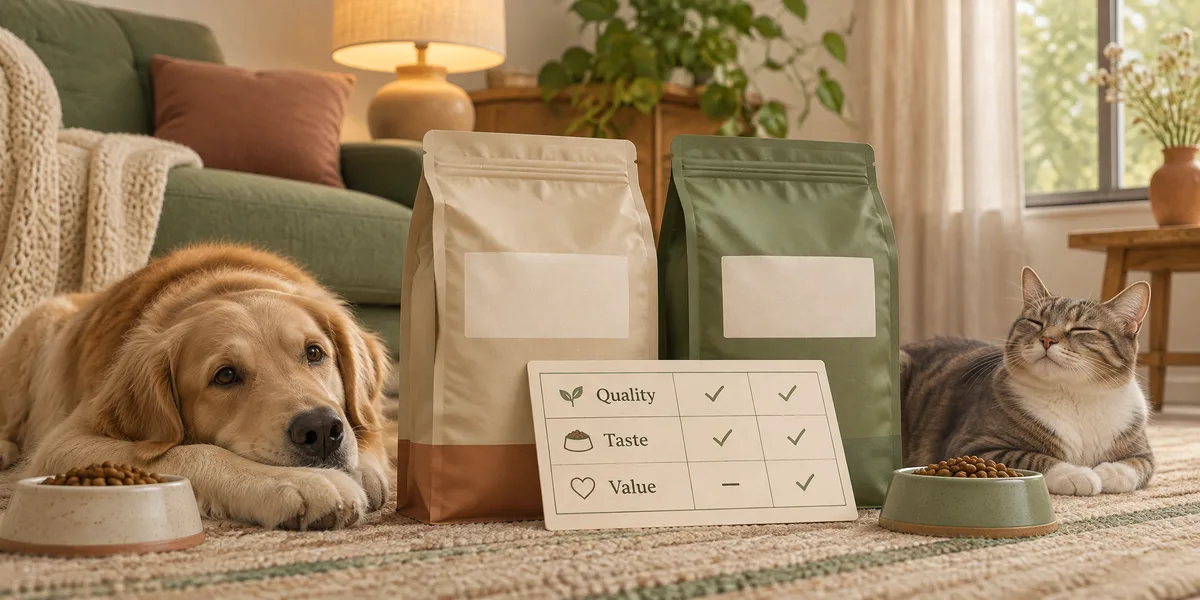
Ingredients, price per kilo and manufacturer, read from your photos, checked against recall records and laid out side by side. It doesn't pick a winner; it makes the differences clear.
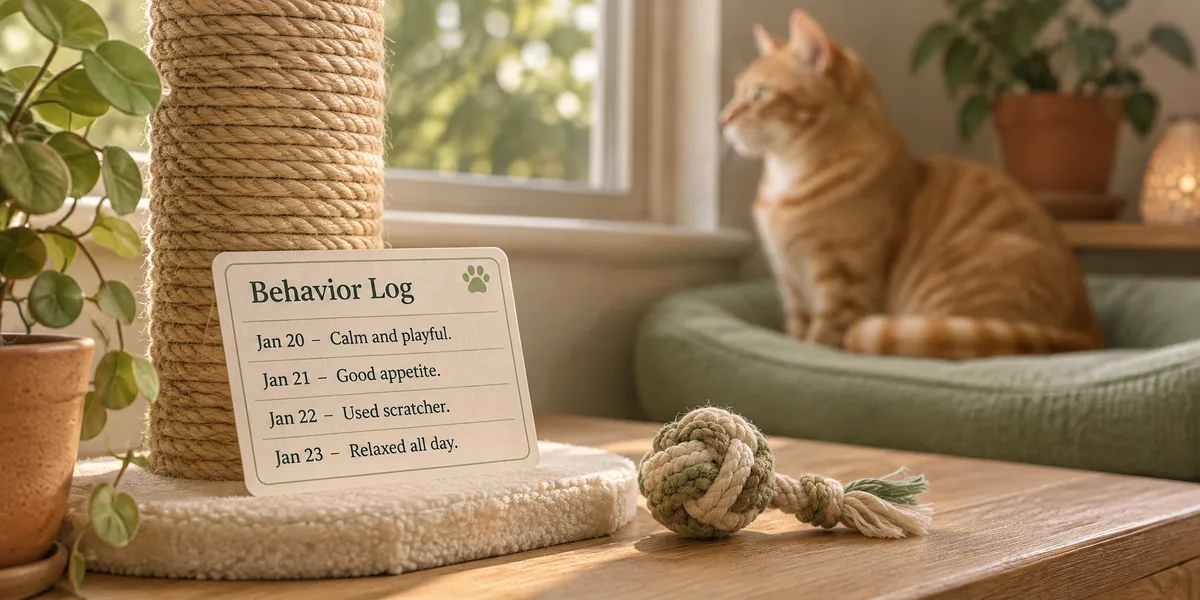
What the behavior is telling you and a step-by-step plan, with a clear point where a trainer or veterinary behaviorist should take over.
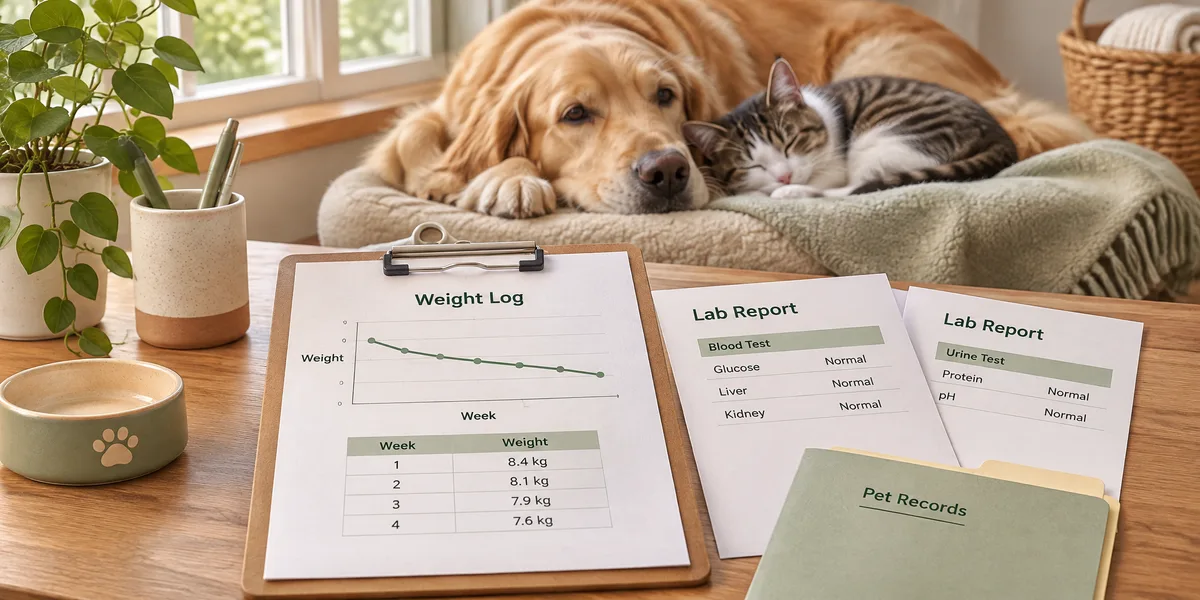
Daily weight, appetite and litter notes; lab reports transcribed with values, units and ranges; and a visit sheet with what to bring and what to ask.
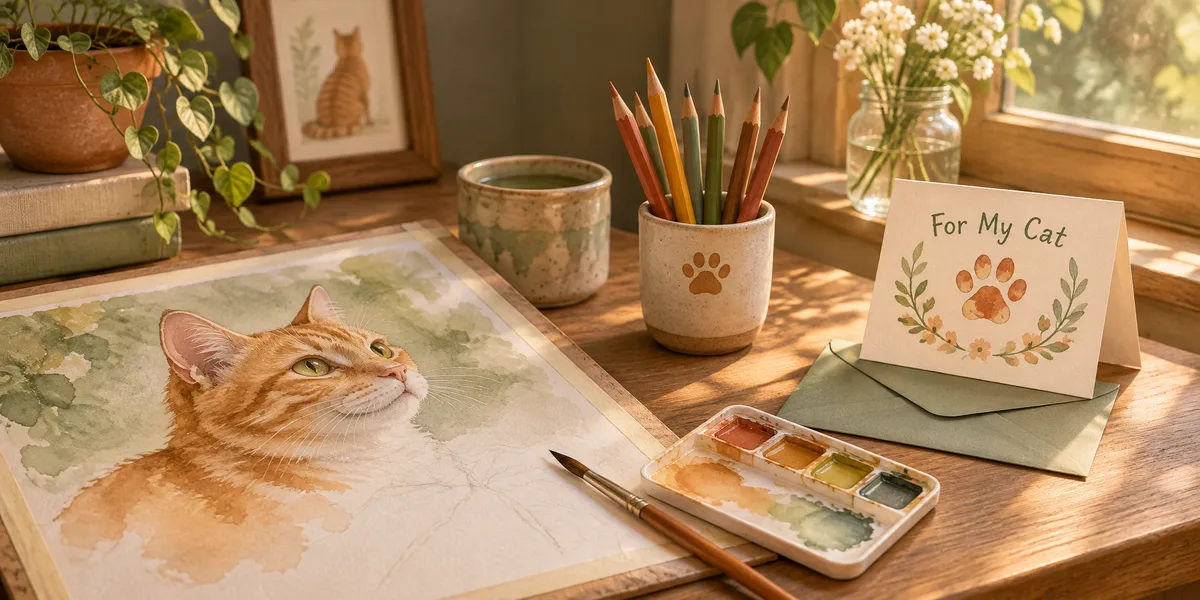
Watercolor portraits, birthday and memorial cards, and care-sheet illustrations, drawn in the chat or from your photos.
Pet Insight adds its own triage and feeding methods on top of the base agent, so the rest of the job stays in the same conversation.
Send the report and the bag's label; every value is transcribed with its unit and range before anything is computed.
Symptoms, feeding, a food choice, records to organize, or send the lab report, label and packaging photos as source material.
If anything reads like an emergency, the vet instruction comes before anything else; feeding questions wait.
"Watch at home", "vet within 24 hours" or "go now", stated up front, with the facts it rests on and what information is missing.
What to observe, when to escalate, what to bring to the clinic, plus a feeding sheet, visit checklist or care record as PDF or Word when you want one.
This is Mochi's checkup report and the new food's label; set up his file and work out his daily grams.
Mochi's file is ready and the feeding sheet is in the panel: 58 g a day, treats within 6 g. Every intermediate value is listed so your vet can recompute it.
Example requests by situation, and what comes back.
“My cat vomited twice today but is acting normal. Vet now or watch?”
“He keeps going into the litter box but nothing comes out.”
“She's 4.5 kg, spayed, moderately active; how many grams a day?”
“Two puppy foods; here are both labels. Which one?”
“My cat vomited twice today but is acting normal. Vet now or watch?”
“He keeps going into the litter box but nothing comes out.”
“She's 4.5 kg, spayed, moderately active; how many grams a day?”
“Two puppy foods; here are both labels. Which one?”
“He howls and chews the doorframe every time we leave.”
“Here's her bloodwork; help me file it and track what changed.”
“We see the vet tomorrow; what should I bring and ask?”
“Paint our golden retriever as a watercolor for his birthday card.”
“He howls and chews the doorframe every time we leave.”
“Here's her bloodwork; help me file it and track what changed.”
“We see the vet tomorrow; what should I bring and ask?”
“Paint our golden retriever as a watercolor for his birthday card.”
| Manual approach | Pet Insight | |
|---|---|---|
| "Should we go to the vet?" | Forum threads and "probably fine" replies at 2 a.m. | A clear urgency level in the first line, plus what to watch and when to escalate |
| How much to feed | A rough scoop, or the bag's vague range | Grams calculated from your bag's label, with a treat limit and every step shown |
| Choosing between foods | Whoever sponsored the video | Ingredients, price per kilo and manufacturer side by side; you decide |
| A behavior problem | Punishment advice that makes it worse | The reason behind the behavior and a step-by-step plan |
| The vet visit | Arriving with nothing written down | A visit sheet: what changed, what to bring, what to ask |
Pet Insight is Eyesme's AI pet health assistant for cats and dogs. It triages symptoms with red flags first, calculates daily feeding amounts from the RER/DER formulas and your food's label, compares foods without taking sides, keeps daily records, prepares vet visit sheets and draws pet illustrations. Exotic pets are outside its scope, and it will point you to a specialist.
You can start for free: a daily free allowance covers everyday questions. Reading large attachments, generating documents and pet illustrations, and web search are subscriber features, billed in credits by actual usage.
No. It never names a condition, recommends a drug or calculates doses; species-level dose differences make that dangerous, and its only information is what you report. It tiers the situation and tells you what a vet needs to know. The one exception: if you provide a vet's prescription, it will transcribe it into a med list verbatim, marked with its source, and read it back for you to check.
With the RER/DER formulas applied to your pet's weight, life stage and activity, plus the crude protein and fat from your bag's label; both required, never guessed. The result shows every intermediate value so it can be recomputed, and the treats line is capped at 10% of daily calories.
Red-flag signs (trouble breathing, seizures, a cat straining in the litter box, a bloated large dog, heavy bleeding, suspected poisoning) get the go-now instruction in the first sentence, plus safe actions for the ride. It will never suggest inducing vomiting, feeding anything, or waiting to see.
Feeding sheets, vet visit checklists, medication lists and care records download as typeset PDF or Word; summaries export as .pptx slides. Medical exports carry a footer saying they are owner-prepared and not a diagnosis.
General Assistant is a generalist. Pet Insight adds the red-flag triage discipline, the verifiable feeding math, neutral food comparisons and a records workflow, with hard lines: no diagnosis, no prescriptions, no "it'll be fine".
First take care of the person: Alternately rinse the wound with running water and soapy water for 15 minutes, and see a physician within 24 hours for a rabies exposure assessment (the physician will determine whether vaccination is needed). Handle the pet separately afterward.
Eyesme AI agents
 Life
Relationship advice for a crush, a cold spell or a breakup: what's proven, what's a guess, what's unknown, and one thing you can do right now.
 Life
Check ingredients against regulatory lists, get skincare routines with citations, and makeup guidance for your features. Evidence first, never a diagnosis.
 Life
Identify plants by photo, look up care cards for 92 species, triage pests and diseases, and plan the season by your frost dates, with emergencies answered first.

Start free with daily credits; subscribe to unlock documents, illustrations and web search.
Start with Pet Insight